
The Best Tomato Varieties to Grow in the UK – 15 Types Worth Trying
A practical guide to choosing tomatoes that can cope with British weather, match your space, and actually reach your plate before autumn gets ideas above its station.
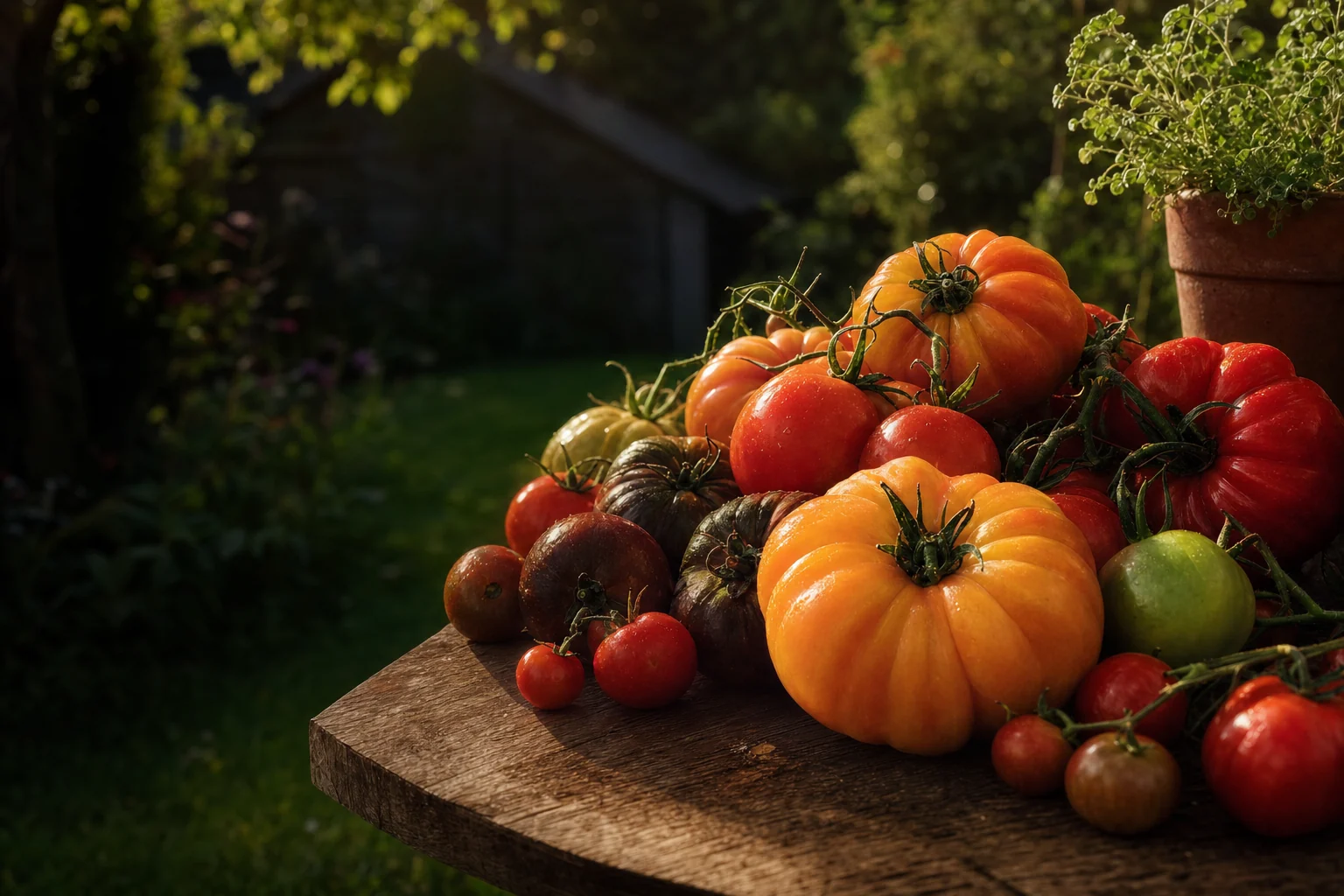
Why Choosing the Right Tomato Variety Matters More Than You Think
Tomatoes are one of those crops that make gardeners feel wildly optimistic in March and mildly betrayed by August. You sow a few seeds, picture bowls of glossy fruit, perhaps mentally allocate a corner of the kitchen worktop to homemade passata, then the rain arrives. Or the cold nights linger. Or blight turns up with the timing of an unwanted relative who has somehow found the spare key.
That is not to say tomatoes are difficult in the UK. Far from it. They are deeply rewarding plants, and even a sunny patio can produce a startling amount of food. The trick is choosing a variety suited to the conditions you can genuinely provide, rather than the conditions promised by a Mediterranean holiday brochure.
Our summers are short, changeable and often damp. A greenhouse can create the steady warmth that a big beefsteak tomato craves, whilst an exposed garden in Wales, northern England or Scotland may be a much better home for a blight-resistant cherry variety. A compact trailing tomato can make a hanging basket earn its keep. A tall cordon variety, meanwhile, needs height, support and a gardener prepared to remove side shoots regularly. Tomatoes are not all interchangeable red blobs. Their growing habits are very different.
This guide brings together 15 worthwhile tomato types across six useful groups: cherries for abundance and snacking; medium salad tomatoes for everyday meals; plums for sauce; beefsteaks for serious flavour and size; heritage varieties for character and seed saving; and bush or cordon plants chosen according to the room you have. There is overlap, naturally. A tomato can be both a cherry and a cordon, or a heritage variety and a beefsteak. Gardening does enjoy a category that refuses to sit quietly in one drawer.
The numbers matter too. Under glass, productive cherry varieties such as Sungold and Gardener's Delight can yield around 3–4kg per plant. Marmande, a meaty beefsteak, can produce 3–5kg under glass. A bush plant usually offers a more modest but pleasingly straightforward 2–3kg outdoors without staking. Those are not just trivia points for seed catalogues. They help you decide whether you want maximum output, minimum fuss, or a little of both.
The sensible UK tomato strategy
Grow at least two kinds. Pair one dependable, disease-conscious outdoor variety with one flavour-first greenhouse or sheltered-patio favourite. It spreads the risk and means a miserable wet summer does not have the final word.
Below, I will help you narrow the field by climate, space, maintenance and how you actually like to eat tomatoes. That last bit matters. There is no point raising a magnificent crop of dense plum tomatoes if what you really want is a handful of sweet fruit to eat whilst standing by the greenhouse door. We have all done something similar. Usually with courgettes.
Know Before You Grow: The UK-Specific Factors Every Tomato Grower Must Understand
Tomato success in Britain comes down to four things: where you live, how wet the season becomes, where the plants will grow, and what you want to harvest. It sounds obvious when written down. Yet these are the questions most often skipped in the thrilling moment when seed packets appear in late winter.
1. Your local climate is more important than the county on the seed packet
A sheltered south-facing garden in Yorkshire may outperform a windy coastal plot further south. Equally, a small unheated greenhouse can transform the prospects of varieties that would struggle in an exposed bed. Tomatoes respond beautifully to warmth, but they also dislike sudden cold, persistent wet leaves and long spells of dull weather. It is the unpredictability, rather than any single statistic, that makes UK growing different.
If your garden regularly feels cool or catches the wind, choose early-cropping, disease-tolerant varieties and give them the warmest position available. If you have an unheated greenhouse, you have a valuable advantage: shelter from rain, more stable temperatures and a longer practical growing season. That is why Shirley F1 has earned its reputation as a particularly safe choice for an unheated greenhouse. It crops early, handles cool nights well and brings useful disease resistance to the party.
2. Blight is the outdoor tomato grower's main adversary
Late blight, caused by Phytophthora infestans, is the big one. It spreads through airborne spores when conditions are warm and humid: above 10°C with relative humidity above 75% is the danger zone. In a wet British summer, those conditions are not exactly rare. Once the symptoms are obvious, a crop can deteriorate within days.
This is why modern blight-resistant tomatoes deserve a place in almost every outdoor planting plan. Crimson Crush F1 is particularly notable because it can cut outdoor crop losses by 70–90% in wet summers. That is a serious practical advantage, not a decorative line on a packet. Primabella is another strong outdoor option, with excellent resistance to late blight and a balanced sweet-acid flavour.
Important: resistance is not the same as invincibility. Good spacing, watering the soil rather than foliage, removing affected leaves promptly and keeping plants as dry as practical still matter. A resistant tomato simply gives you a much better chance when the weather turns soggy.
3. Match the plant to the space, not the other way round
Cordon tomatoes grow upward and continue producing as long as conditions allow. They need a cane, string or other support, plus regular side-shoot removal. They are excellent when you have greenhouse height or a sheltered wall. Bush tomatoes stop growing at a defined size and are much easier to manage. They suit pots, grow bags, balconies and gardeners who would rather not spend Sunday morning inspecting every leaf axil with the focus of a bomb-disposal technician.
4. Decide what "a good tomato" means in your kitchen
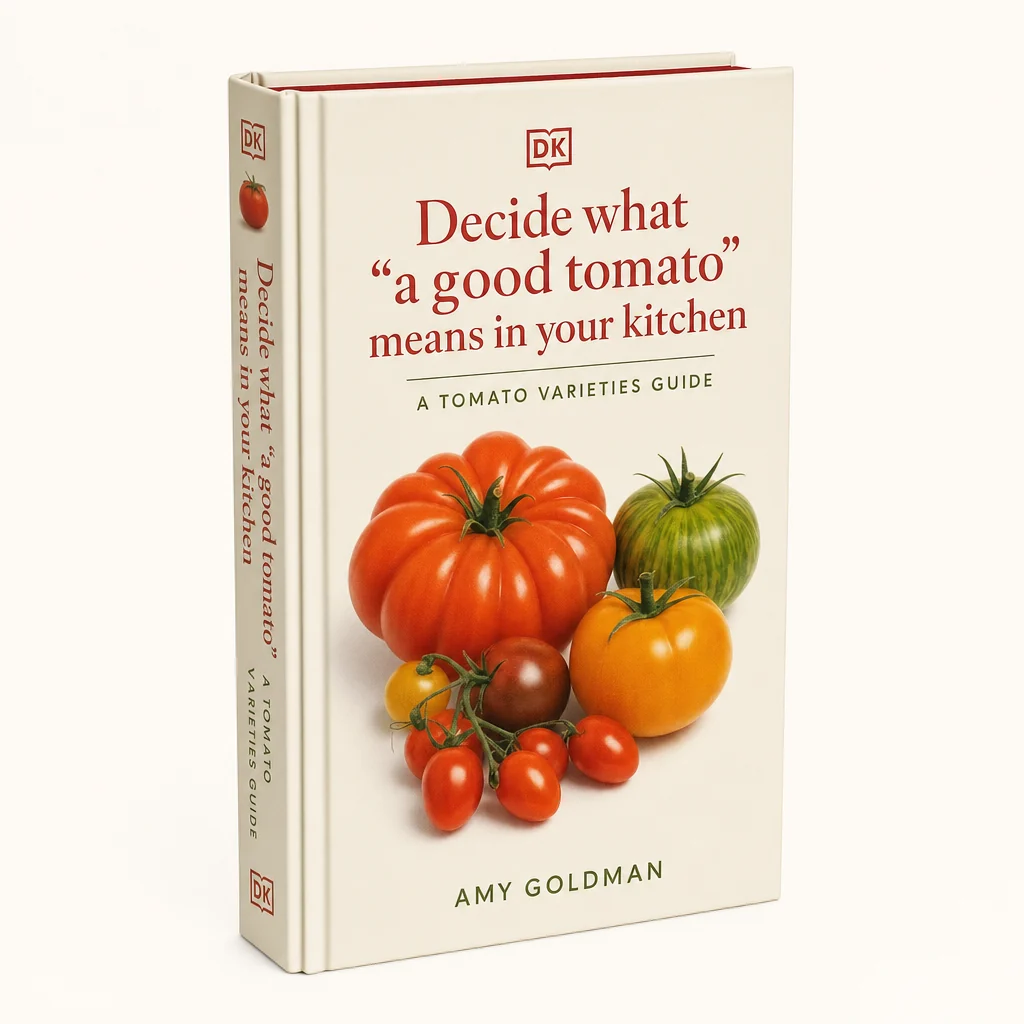
Cherry tomatoes are made for picking and eating immediately. Salad tomatoes cover almost everything else: sandwiches, slicing, roasting, salads and the occasional lunch that feels suspiciously virtuous. Plum tomatoes are the useful cooks of the group, with dense flesh and fewer seeds. Beefsteaks are for thick slices, warm bread and the sort of tomato sandwich that makes you briefly question why you ever accepted pale supermarket fruit.
There is no universally best variety. There is only the best fit for your patch and your dinner plans. A gardener with a greenhouse and a fondness for sauces may be happiest with Sungold, Roma VF and Marmande. A first-time balcony grower may be much better off with Tumbling Tom Red or Yellow. The winning move is to make that decision before sowing.
Cherry Tomatoes: Sweet, Prolific, and Perfect for UK Conditions
For most UK gardeners, cherry tomatoes are the easiest route to a proper sense of abundance. They ripen faster than larger-fruited types, tend to be generous, and carry enough flavour to make you suspicious of every tomato you have bought in a plastic punnet. Their smaller fruits need less summer warmth to colour and mature, which is a substantial advantage when July decides it would rather be April.
They are also wonderfully useful. You can eat them straight from the plant, toss them into salads, roast them whole, or add a handful to a tray of vegetables without needing a chopping board. If children are involved, cherries can be a gateway crop: sweet, colourful and immediately snackable. The only downside is that a good plant encourages casual picking, so your theoretical harvest may disappear before it reaches the kitchen scales.
Sungold F1: the greenhouse favourite with serious flavour
Sungold F1 is the standout cherry tomato for greenhouse growing. It holds the RHS Award of Garden Merit, and that status feels deserved. Its golden-orange fruit is famously sweet, delivering the kind of bright, fruit-forward flavour that turns even tomato sceptics into greenhouse visitors. Under glass, yields of 3–4kg per plant are possible, which is a remarkable return from one properly managed cordon.
It is especially effective in a heated or unheated greenhouse, where its tall growth can be trained vertically and its foliage kept out of persistent rain. Do not mistake "productive" for "self-managing", though. Sungold is a cordon type, so it needs training and regular pinching out of side shoots. Ignore that job for a fortnight and the plant will cheerfully start building its own small jungle.
For a gardener who values flavour above almost everything else, Sungold remains difficult to beat. It is not the variety I would choose for an entirely exposed outdoor plot in a blight-prone area. It is the one I would choose when I have cover, a cane or string ready, and every intention of visiting the greenhouse often. That final intention is usually not difficult.
Gardener's Delight: the classic all-round red cherry
Gardener's Delight is one of the most widely grown tomato varieties among amateur gardeners in the UK, and it has nearly 60 years of home-growing pedigree behind it. That longevity says a lot. This is a reliable red cherry tomato with consistent cropping, familiar flavour and broad appeal. It suits a greenhouse well but can also work in a sheltered outdoor position.
Like Sungold, Gardener's Delight can yield around 3–4kg per plant. The difference is more about personality than raw output. Sungold is the exuberant, candy-sweet greenhouse star. Gardener's Delight is the classic red cherry that feels at home in almost any sensible tomato collection. If you only grow one red cherry tomato, this is a very safe place to start.
Why cherries work so well
- Small fruits ripen readily in a variable UK summer.
- Sungold and Gardener's Delight can each produce 3–4kg per plant.
- Excellent for everyday picking, salads and roasting.
- A very good category for new tomato growers.
What to plan for
- Cordon cherries need support and side-shoot removal.
- Exposed outdoor plants remain vulnerable in wet, blight-heavy summers.
- The fruit is so snackable that preserving a harvest requires discipline.
- One plant can become surprisingly large under glass.
Best cherry-tomato pairing
Grow Sungold F1 inside for maximum sweetness and Gardener's Delight in a sheltered outdoor spot. You get two different flavours, two different growing positions and a much less monotonous salad bowl.
Primabella deserves a mention here too. It is a German-bred outdoor cherry tomato with larger fruits of around 28g, a balanced sweet-and-acid taste, and excellent late blight resistance. For gardens that are often damp by mid-summer, that resistance shifts it from "interesting alternative" to "very sensible choice".
Salad and Medium Varieties: Everyday Kitchen Workhorses With Decades of UK Proof
The medium or salad tomato is what many people picture when they decide to grow tomatoes: round, red fruit roughly in the 60–100g bracket, large enough for slicing but not so large that one tomato becomes an event. It is the most versatile category in the kitchen. You can use it in salads, sandwiches, roasting trays, sauces and breakfasts without needing to make a special plan.
These varieties are less showy than a giant beefsteak and less instantly snackable than a cherry. They are, however, the practical backbone of a tomato crop. A handful picked at breakfast can become lunch. A bowl picked at the weekend can become soup, sauce or a tray of roasted tomatoes. Very few harvests work harder.
Shirley F1: the safest unheated-greenhouse choice
Shirley F1 is an exceptionally reassuring tomato for an unheated greenhouse. It crops early, resists disease and tolerates cool nights better than many alternatives. That makes a material difference in British gardens, where early spring and late summer often swing between hopeful warmth and the sort of chill that has you reconsidering your coat choice.
Its medium-sized red fruits are consistently useful and have good flavour. Shirley is not trying to be a theatrical heirloom with ruffles, stripes and a backstory. It is doing the more valuable thing: producing a dependable crop where many gardeners actually grow tomatoes. If you have a basic greenhouse but no supplemental heating, this is one of the most sensible varieties to put on the list.
Moneymaker: historic, forgiving and still relevant
Moneymaker dates back to 1913. That is more than a century of gardeners choosing to grow it, which is a decent vote of confidence. Its medium red fruits and steady cropping have made it a familiar name in UK gardens, especially for beginners who want a straightforward, recognisable tomato rather than a highly specialised one.
Modern F1 hybrids can outperform Moneymaker in yield and disease resistance. That is worth saying plainly. The appeal here is not technological superiority. It is the variety's heritage character, its forgiving nature, and the fact that it is open-pollinated, allowing gardeners to save seed from plants that suit their own conditions. That process takes care and isolation from other varieties if you want seed to remain true, but the potential is there.
Ailsa Craig occupies a similar traditional space. It is a flavour-packed salad tomato that has been around for around 100 years, with thin dark-red skin and a firm texture. It is a lovely choice for gardeners who want a classic tomato with history and proper character rather than a generic supermarket impression.
| Feature | Shirley F1 | Moneymaker | Ailsa Craig |
|---|---|---|---|
| Best growing situation | Unheated greenhouse | General home growing | Gardeners prioritising classic flavour |
| Key strength | Early cropping, disease resistance and cool-night tolerance | Long-standing, forgiving heritage appeal | Flavour-packed fruit and firm texture |
| Fruit style | Medium red tomato | Medium red tomato | Dark-red salad tomato with thin skin |
| Seed-saving appeal | F1 hybrid | Open-pollinated | Traditional variety |
For cool greenhouse nights: Shirley F1
Choose it if your greenhouse is unheated and you want early cropping with a strong practical focus on reliability.
For tradition and seed saving: Moneymaker
A historic variety dating to 1913, best appreciated for its familiar fruit, forgiving nature and open-pollinated heritage.
For rich everyday flavour: Ailsa Craig
Its thin dark-red skin and firm texture make it a satisfying all-purpose salad tomato with genuine history behind it.
Plum Tomatoes: The Sauce-Maker's Secret Weapon in a British Garden
Plum tomatoes are criminally undergrown in home gardens. If your idea of tomato heaven involves passata, slow-roasted trays, pasta sauce or jars of concentrated summer flavour, they are the category to know. Their dense, low-water flesh and relatively modest seed content make them much more efficient to cook with than standard salad tomatoes.
They also solve a common harvest problem. A bowl of juicy salad tomatoes is delightful, but reducing it into sauce takes time because much of that volume is water. A plum tomato starts with more substance. It cooks down faster and produces a richer result with less fuss. On a wet Sunday, when you have picked more than you can eat and the kitchen smells faintly of basil, that feels like a minor miracle.
Roma VF: the useful classic paste tomato
Roma VF is the benchmark name in this category. It is a classic paste tomato with thick walls, fewer seeds and a useful combination of indoor and outdoor potential. The "VF" denotes resistance to Verticillium and Fusarium, two diseases that can trouble tomatoes. It is not a claim of late-blight resistance, so outdoor gardeners should still consider local weather and sensible hygiene. But it is a welcome resilience marker in a cooking tomato.
Under glass, Roma VF can yield 3–4kg per plant. That puts it in productive company whilst giving you fruit with a completely different purpose to Sungold or Gardener's Delight. Rather than treating every ripe tomato as a snack, you can let a useful batch build up and cook it in one go.
Why grow plums under cover?
Greenhouse conditions give dense, cooking-focused varieties a better chance of ripening evenly through a British season. If you can only reserve one protected position for a sauce tomato, Roma VF is a strong practical candidate.
Built for cooking
Dense flesh and fewer seeds mean less watery sauce and more concentrated tomato flavour.
Worth harvesting in batches
Plum tomatoes are ideal when you want enough fruit at once to make passata, roast a tray or prepare a large sauce.
Useful named resistance
Roma VF carries Verticillium and Fusarium resistance in its name, a worthwhile feature for a hardworking crop.
For a simple three-plant greenhouse plan, it is hard to improve on one sweet cherry, one medium salad tomato and one plum. That gives you instant eating, everyday slicing and proper cooking fruit without turning the greenhouse into a tomato-only republic. Although, frankly, there are worse republics.
Beefsteak Tomatoes: Achieving Trophy-Sized Fruits in the UK
Beefsteak tomatoes are the glamour category. They are large, often ribbed, frequently meaty and capable of producing the sort of slice that hangs over both sides of a sandwich. They are also the least forgiving tomato group in the UK. Big fruit needs warmth, a long season and steady growing conditions. Outdoor British weather does not always provide those things with much enthusiasm.
My honest advice is to treat a greenhouse or polytunnel as the default home for beefsteaks. You may succeed outdoors in a sheltered, warm garden, particularly in a favourable summer. But if you want reliable ripening and worthwhile yields rather than an autumn collection of impressive green objects, protection is the much better bet.
Marmande: the accessible British beefsteak
Marmande is where I would start if you want to grow beefsteaks in the UK. It is a ribbed tomato with meaty texture and strong flavour, and it holds the RHS Award of Garden Merit. It can be grown outside in a sheltered UK garden, which makes it more accessible than many beefsteak alternatives, but it really shows its potential under glass.
Under greenhouse conditions, Marmande can yield 3–5kg per plant. That is the highest stated yield range among the varieties here, although it comes with a large asterisk: those results rely on the warmth and stability that protected growing offers. The fruit is not just large for the sake of it. The dense texture makes it excellent for slicing, grilling and the kind of tomato-and-bread situation that needs very little else.
Marmande strengths
- Rich, meaty fruit with strong flavour.
- RHS Award of Garden Merit holder.
- Can produce 3–5kg per plant under glass.
- One of the more approachable beefsteaks for sheltered outdoor growing.
Beefsteak realities
- Needs more warmth and season length than smaller tomatoes.
- Outdoor crops are less reliable in unsettled summers.
- Best results require protected growing.
- Large fruit takes patience; it will not ripen on cherry-tomato terms.
Do not let that discourage you. Beefsteaks are worth growing precisely because they offer something you rarely find at its best in ordinary shops: flavour, texture and a little drama. Just give them a fair chance. A cold, exposed plot is not a character-building exercise for a tomato. It is mostly just cold and exposed.
Heritage and Heirloom Varieties: Flavour, History, and the Joy of Seed Saving
Heritage, heirloom and open-pollinated tomatoes bring a different kind of pleasure to the garden. These are varieties that breed true from saved seed, often carrying decades or generations of history. They tend to offer more unusual flavours, shapes and personalities than modern hybrid tomatoes. The compromise is that they can be less uniform, less disease-resistant and more sensitive to awkward weather.
F1 hybrids, by contrast, are bred from specific parent lines and often offer useful gains in reliability, yield or disease resistance. Sungold F1, Shirley F1 and Crimson Crush F1 are good examples of varieties chosen largely because they make British growing easier. Their saved seed will not reliably produce the same plant next year. Heritage tomatoes ask more of the gardener but give something different in return: continuity, flavour complexity and the ability to save seed from a plant you love.
Brandywine: the heritage beefsteak benchmark
Brandywine is one of the great heritage beefsteaks. It has Amish origins and more than 130 years of history behind it, producing large fruit that can reach around 350g. Its pink-blush skin and rich, umami-led flavour are the reason gardeners keep making room for it, even in climates that do not always make that easy.
This is not the variety to choose if your first priority is predictable disease resistance or a uniformly early crop. It is the variety to choose if flavour is the point, you can offer a warm protected space, and you enjoy growing something with genuine lineage. Brandywine is a tomato for the gardener who will forgive a little sulking in exchange for one truly memorable sandwich.
Seed-saving note: open-pollinated varieties can breed true from saved seed, whilst F1 hybrids do not. That makes heritage tomatoes especially appealing if you enjoy gradually selecting plants that perform well in your own garden.
F1 hybrids: practical reliability
They are often selected for traits such as disease resistance, early cropping or consistency, all valuable in a difficult UK season.
Heritage types: history and individuality
They offer flavour complexity, seed-saving potential and a connection to long-standing gardening traditions.
Brandywine's headline
Fruits can reach around 350g, with a rich umami flavour that rewards gardeners able to give it warmth and time.
Heritage is a second tomato, not always the only tomato
For most UK gardens, pair Brandywine, Moneymaker or Ailsa Craig with a modern resilient variety. You get the romance and flavour of an old favourite without making the entire season depend on it.
Blight-Resistant Varieties: The Smart Choice for Outdoor UK Growing
If you grow tomatoes outdoors, blight resistance may be the most important characteristic on your list. It matters especially in northern areas, Wales, Scotland and any garden where summer rainfall is regular and leaves stay damp. But even in a relatively dry region, one wet spell at the wrong time can undo months of good work.
Late blight is not a sign that you have failed as a gardener. It is a disease problem shaped heavily by weather. Spores travel in the air, humidity gives them the conditions they like, and tomato foliage provides the opportunity. The moment you see the familiar rapid decline, it can feel as though the plants have simply given up. That is why prevention and variety choice are much more useful than heroic measures after the event.
Crimson Crush F1: the benchmark outdoor insurance policy
Crimson Crush F1 is the headline choice for gardeners who have lost outdoor plants to blight before. In wet summers, it can cut crop losses by 70–90%. That is an enormous difference in the context of an outdoor vegetable patch. It is a cordon tomato, so it needs training and side-shoot removal, but the maintenance is a reasonable trade for a crop that has a far better prospect of making it through a damp season.
The fruit is large and red, with good flavour for a disease-resistant F1. It is not being sold as an obscure collector's tomato. It is a highly practical variety for anyone who wants outdoor tomatoes to be less of an annual gamble. If your previous strategy has been "plant ordinary tomatoes and hope July behaves", Crimson Crush is a clear upgrade.
Primabella: an outdoor cherry with excellent resistance
Primabella offers a different route. It is a German-bred cherry tomato made for outdoor growing, with excellent resistance to late blight. Its fruits are relatively large for a cherry at around 28g, and its sweet-acid balance makes it more than just a survivalist variety. This matters. Disease resistance is useful, but you still want to enjoy eating the results.
| Feature | Crimson Crush F1 | Primabella | Gardener's Delight |
|---|---|---|---|
| Best use | Outdoor crop protection in wet summers | Outdoor cherry growing in blight-prone gardens | Reliable red cherry in greenhouse or sheltered outdoor space |
| Blight note | Can cut outdoor crop losses by 70–90% in wet summers | Excellent late blight resistance | Choose a sheltered position outdoors |
| Plant style | Cordon; requires training | Outdoor cherry tomato | Cherry/cordon type |
| Fruit note | Large red fruit with good flavour | About 28g, balanced sweet-acid flavour | Red cherry fruit; 3–4kg reported yield |
The best outdoor decision for most gardens
Plant at least one blight-resistant tomato alongside any flavour-led favourite. Crimson Crush F1 is the obvious larger-fruited choice; Primabella gives outdoor growers a resilient cherry option with excellent eating quality.
Resistant plants still deserve sensible care. Space them so air can move around foliage. Water at soil level where possible. Keep an eye on weather patterns rather than assuming every sunny morning means the risk has gone. And if blight appears elsewhere nearby, do not wait for a committee meeting. Inspect your plants promptly.
Bush and Container Varieties: Maximum Harvest from Minimum Space
Not every tomato garden contains a greenhouse, a vegetable bed and enough bamboo canes to build a small fishing village. Sometimes you have a patio, a balcony, a doorstep or one hanging basket that needs to do more than look decorative. Bush tomatoes are designed for that reality.
Determinate, or bush, varieties reach a defined size and then stop extending in the way a cordon tomato does. They are compact, self-stopping and need far less intervention. They do not require side-shoot removal, and they can produce a satisfying crop without staking. Outdoors, bush varieties typically yield around 2–3kg per plant. That is less than the best cordon varieties under glass, but the comparison is not entirely fair. You are trading ultimate yield for low maintenance, compact growth and the ability to grow where a cordon simply would not fit.
Tumbling Tom Red and Yellow: hanging-basket champions
Tumbling Tom has become a favourite for baskets because its trailing habit is naturally suited to growing over the edge. Both Red and Yellow forms offer sweet cherry fruits, with no side-shoot removal needed. The Yellow form adds a decorative lift to a basket, whilst the Red form gives you the classic tomato look. Grow one of each together and suddenly a hanging basket becomes both useful and rather handsome.
This is the answer for gardeners with no ground space at all. A well-positioned basket near a sunny wall can deliver fresh cherry tomatoes within easy reach. It also keeps fruit off the ground, makes picking straightforward and lets you use vertical space that would otherwise be doing nothing. Rude, really.
Bush and basket benefits
- Excellent for patios, balconies, grow bags and raised beds.
- No regular side-shoot removal.
- No staking needed for typical bush growth.
- A productive option even where ground space is absent.
The trade-offs
- Typical 2–3kg outdoor yield is lower than leading cordons under glass.
- Container-grown plants still need attentive watering.
- They cannot make use of greenhouse height in the way a cordon can.
- Outdoor plants still need a sunny, sheltered position where possible.
For beginners, bush tomatoes offer a useful confidence boost. You can get a genuine harvest without learning the rhythms of training, pinching out and tying in. Once you have one successful season behind you, adding a cordon next year feels far less intimidating. Or you may decide you prefer the easy route. There is no prize for making tomatoes harder than they need to be.
A Simple UK Tomato Calendar and the Best Variety Match for Your Garden
Most tomato varieties should be sown from mid-February to late March. That window gives seedlings time to develop before the main growing season, without pushing them so early that they become awkwardly large while the weather is still unsuitable. Earlier sowing can make sense where you have reliable warmth and space under cover, but for many home growers it creates more problems than it solves. Small, sturdy plants are easier to manage than lanky ones desperate for light.
Once plants are growing, the calendar becomes less about dates and more about observation. Are nights still cold? Is the greenhouse ventilated? Has rain been sitting on outdoor foliage? Are cordon plants being tied in before they lean into their neighbours? A tomato crop rewards regular small interventions. Leave everything for a fortnight and you will return to a plant that has made several decisions without consulting you.
Unheated greenhouse growers
Start with Shirley F1 for early cropping and cool-night tolerance. Add Sungold F1 for sweet cherry fruit and Roma VF if you cook sauces.
Wet or blight-prone gardens
Make Crimson Crush F1 your main larger-fruited outdoor plant and add Primabella for resilient cherry tomatoes.
Balconies and patios
Tumbling Tom Red or Yellow makes the most of baskets and containers, without the work of training a cordon.
Flavour-first gardeners
Grow Marmande under glass for meaty fruit, and try Brandywine if you can give a heritage beefsteak a warm, steady season.
A balanced five-plant UK collection
If you have a greenhouse and a little outdoor space, a very sensible collection is Sungold F1 for snacking, Shirley F1 for reliable medium fruits, Roma VF for cooking, Marmande for larger slices, and Crimson Crush F1 outdoors as your blight-resistant insurance policy. That covers almost every culinary use and spreads risk across different types.
If you have only containers, keep it simpler. Two Tumbling Toms, perhaps one Red and one Yellow, will provide sweet fruit with the least maintenance. If you have a sheltered spot for a taller plant, Gardener's Delight is a natural next step. If your garden has a history of late blight, prioritise Primabella or Crimson Crush F1 before adding anything more adventurous.
Frequently asked questions
For an unheated greenhouse, Shirley F1 is one of the safest choices thanks to early cropping, disease resistance and its tolerance of cool nights. For a patio or basket, Tumbling Tom Red or Yellow is easier still because it does not need side-shoot removal or staking.
Crimson Crush F1 is the standout larger-fruited choice, capable of cutting outdoor crop losses by 70–90% in wet summers. Primabella is an excellent resistant outdoor cherry tomato with around 28g fruit and balanced sweet-acid flavour.
A greenhouse or polytunnel is strongly recommended for dependable results. Marmande can grow outside in a sheltered UK garden, but under glass it can yield 3–5kg per plant and has a much better chance of ripening well in a variable summer.
You can save seed from open-pollinated heritage varieties such as Moneymaker and Brandywine, which breed true when saved correctly. F1 hybrids such as Sungold F1, Shirley F1 and Crimson Crush F1 do not reliably produce the same type from saved seed.
The main sowing window is mid-February to late March. This gives plants a useful start without forcing you to keep oversized seedlings happy while outdoor conditions remain too cold.
Final verdict: choose reliability first, then add a little romance
For the broadest chance of success, begin with a variety that matches your growing space. Sungold F1 remains the sweet greenhouse cherry to beat, Gardener's Delight is a trusted red-cherry all-rounder, and Shirley F1 is the practical champion for unheated greenhouses. Roma VF earns its place for cooks, whilst Marmande is the sensible first beefsteak under glass.
For outdoor UK growers, however, Crimson Crush F1 and Primabella deserve special attention. Blight can ruin an otherwise excellent season with alarming speed, and a variety designed to resist it is one of the smartest decisions you can make. Add Tumbling Tom where space is scarce, and make room for Brandywine, Moneymaker or Ailsa Craig when flavour, history and seed saving matter as much as efficiency.
Grow one reliable tomato. Grow one that excites you. Then keep a bowl by the back door. You will need it.