Raised Bed vs Greenhouse vs Pots: Where Should You Grow Your Vegetables?
Three sensible ways to grow food, three very different rhythms of gardening — and a practical UK guide to choosing the one that will actually suit your space.
Raised Bed vs Greenhouse vs Pots: the real choice
Choosing where to grow vegetables sounds like one of those pleasantly simple gardening questions. Then you start looking at the garden. The patio is sunny until about two o'clock. The lawn is in the way. The soil is sticky clay. There is a shed, a washing line, and a mysterious corner that seems to grow moss with real commitment. Suddenly, "where shall I put the courgettes?" becomes a small planning application.
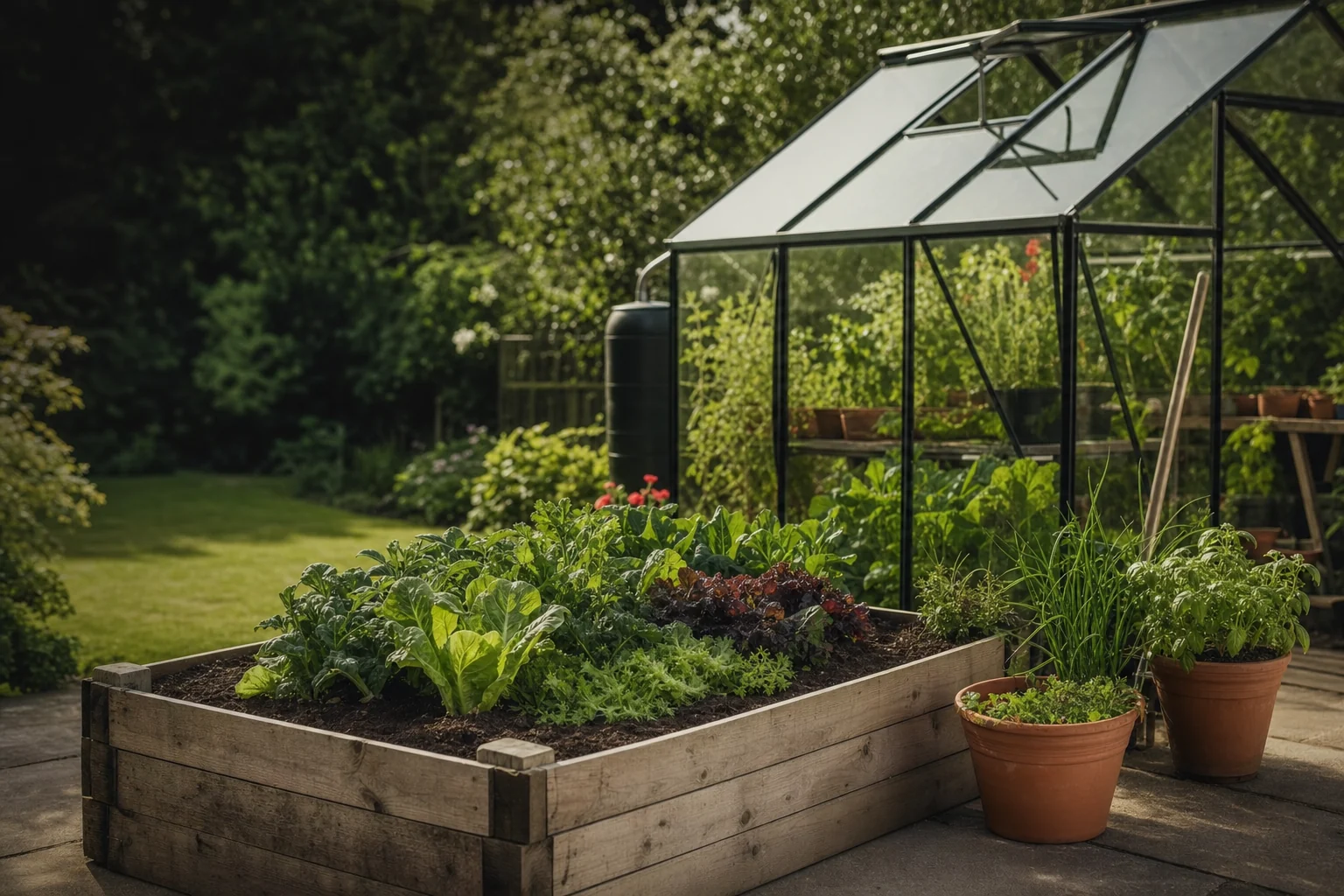
Raised beds, greenhouses and pots all have passionate advocates, and none of them is entirely wrong. A raised bed gives you a defined, workable patch of good soil above whatever awkwardness lies beneath. A greenhouse creates a protected microclimate and opens the door to crops that are much happier out of the rain and wind. Pots are gloriously portable: gardening you can rearrange when the weather, light or your plans change.
The headline numbers make the contrast clear. A single raised bed measuring 1.2m by 2.4m can produce around 20–30kg of vegetables in a season, enough salad and vegetables for two people through summer. A greenhouse is the route to a much longer growing year, particularly if you want to sow early, protect tender plants, or keep salads going through colder months. Pots may not look dramatic, but they make vegetable growing possible on balconies, yards, doorsteps and rented patios where digging is simply not happening. Fair enough.
Start with the life you lead, not the catalogue
If you travel often, a thirsty collection of small pots can become a nuisance in a hot spell. If bending is difficult, a low ground plot can turn a lovely hobby into an ache. If you dream of tomatoes, peppers and early sowings, an outdoor bed alone may feel limiting. The right system is the one that removes your biggest gardening friction.
There is also no rule saying you must choose only one. In fact, many contented vegetable growers end up with a mixed setup: raised beds for dependable outdoor crops, a greenhouse for warmth-loving plants and pots for herbs, strawberries or whatever needs moving into the best light. This is not indecision. It is sensible use of space.
A useful way to read this guide: think of raised beds as the soil-and-space solution, greenhouses as the climate solution, and pots as the flexibility solution. Each does a different job rather well.
Know your growing systems: a quick anatomy of all three
Before comparing them, it helps to be precise about what each system is doing. The labels get used loosely, especially once garden centres have involved wheels, shelves, grow bags, cold frames and enough galvanised metal to build a modest spacecraft.
Raised beds: controlled soil, above ground
A raised bed is a framed structure built above the existing ground and filled with growing medium. Its strength is not merely that it looks tidy, although a neat rectangle does have a calming effect on the rest of a garden. It gives you control over the soil in the crop's root zone, without requiring you to excavate or endlessly improve the native ground beneath.
A standard, practical UK layout is 1.2m wide, 2.4m long and 30cm deep. That 1.2m width matters. It is narrow enough to reach the middle from either side, so you do not need to step on the bed and compact the soil. Compact soil is the quiet villain of many vegetable patches: roots struggle, drainage suffers, and digging becomes rather more like archaeology.
There are three common material routes. Pressure-treated timber kits are usually the affordable, familiar option and have a lifespan of around 10–15 years. Composite WPC beds require minimal maintenance and typically last 15–20 years. Galvanised steel has the longest stated lifespan, at around 20–30 years. The material matters, but the dimensions and access matter more. An impractically wide bed made from the finest material in the world is still an awkward bed.
Greenhouses: a controlled microclimate
A greenhouse is an enclosed growing space with glass or polycarbonate glazing, designed to trap warmth and shelter plants from wind and rain. It does not make British weather disappear — if only — but it changes the conditions enough to make early sowing, tender crops and season extension far more realistic.
At one end of the spectrum are cold frames and mini greenhouses, useful for protection and hardening off plants. Then come freestanding polycarbonate or glass structures, usually on aluminium or timber frames. Polycarbonate is lighter, safer and generally cheaper, whilst glass offers stronger light transmission and the traditional greenhouse look. Timber-framed greenhouses bring a handsome, classic feel and plenty of growing space; metal frames are valued for strength and low maintenance.
For gardeners wanting room to grow a broad range of crops, an 8×6ft or 8×10ft greenhouse provides a more useful working footprint than the smallest formats. If you want a potting bench as well as plants, moving up to a 6×10ft or 8×10ft footprint makes day-to-day use less of a sideways shuffle. Anyone who has tried to water tomatoes whilst negotiating a narrow aisle, a watering can and a tray of seedlings will understand the appeal.
Pots, containers and grow bags: vegetable growing without permanence
Pots are the broadest category here: traditional containers, fabric pots, troughs, window boxes and grow bags all count. Their defining feature is not a particular shape but separation. Each plant or small group of plants gets its own pocket of compost, its own watering needs and, importantly, its own ability to be moved.
That mobility is a serious advantage. A pot can follow the sun, be moved nearer the house for easy watering, tucked under cover when conditions turn grim, or shifted away from a plant that has become unhappy. It is also the obvious starting point where the garden is paved, shared, rented, tiny or simply already full of other things.
The cost of getting started: what you might spend in the UK
Cost is where the three routes pull apart most sharply. Pots can be acquired gradually, one or two at a time. A raised bed asks for a more visible upfront commitment because the frame needs filling. A greenhouse is the largest leap, particularly once you move beyond the smallest structures and include installation.
For raised beds, there is a wide range in both format and spend. A GardenSkill Build-a-Bed measuring 1.25 × 1.25m and 150mm high, supplied with a liner, is listed at £42.98. Raised bed kits at UK Sleepers range from £76.99 to £405.99. A two-tier raised planter with wheels, measuring 80 × 40 × 75cm, is listed at £55.99. These are not like-for-like products, which is exactly the point: a shallow compact planter on wheels is solving a different problem from a large bed intended to hold a substantial volume of soil.
Compact raised bed
GardenSkill Build-a-Bed, 1.25 × 1.25m and 150mm high, with liner.
Raised bed kit range
UK Sleepers raised bed kit pricing across different designs and sizes.
Wheeled planter
Two-tier 80 × 40 × 75cm raised planter with wheels.
The part people occasionally forget is the fill. A bed frame is only a frame until you add soil. For a dependable vegetable mix, use either a 50:50 blend of topsoil and garden compost, or a 60/30/10 blend of topsoil, peat-free compost and horticultural sharp sand. The latter is a useful recipe where extra structure and drainage are welcome. It is worth calculating volume before ordering materials, rather than standing beside an almost-filled bed with a bag of compost and a look of mild betrayal.
Greenhouse pricing begins at around £249 for a small cold frame or mini greenhouse and rises above £18,000 for large premium wooden or Belgian glass models. Polycarbonate greenhouses are generally the entry-level choice, with prices ranging from £300 to £1,500. Metal greenhouses are often priced between £500 and £2,000, depending on the frame and size. Traditional wooden greenhouses generally sit between £1,000 and £2,500.
For a more conventional, useful vegetable greenhouse, £700–£1,500 can buy an 8×6 or 8×10 structure with toughened safety glass, a proper door, multiple vents and room for a full range of crops. Installation can cost from £300 to £3,000, depending on the size, materials and extras involved. The Palram Canopia Mythos 6×4 is listed as the cheapest freestanding greenhouse at £329.
Budget honestly for the whole setup. With a greenhouse, think beyond the structure to the base, ventilation and the practical kit needed to use it. With a raised bed, include the growing medium. With pots, remember that several small containers can add up surprisingly quickly once each needs compost and regular feeding.
The sensible financial comparison
Do not compare a single pot with an 8×10ft greenhouse and ask which is "better value". Compare the system with the job it will do for you. Pots win for a cautious first season. Raised beds make sense when you want a permanent outdoor vegetable area. A greenhouse earns its place when climate control and a longer growing window are central to your plans.
Season by season: which method wins the UK growing calendar?
The British growing year is not a straight line from spring to summer. It is more of a stop-start negotiation involving cold nights, wet weeks, surprising heat and a great deal of checking the forecast with unreasonable optimism. Your growing method changes how much of that negotiation you can avoid.
Early spring: greenhouse first, raised beds close behind
An unheated greenhouse allows sowing from late January or February, giving it a clear early-season advantage. It offers protection when outdoor conditions are still too cold and wet for many sowings to be comfortable. The exact results will always depend on location, weather and crop choice, but the point is simple: shelter gives you options before the garden has properly woken up.
Raised beds warm up around two to three weeks earlier than ground-level soil in UK conditions. That is useful, not magical. It means the bed can become workable sooner and crops can establish in warmer soil than they would in a conventional plot. With fleece for protection, raised-bed growing can extend from March to November. For salad leaves, herbs and many straightforward vegetables, that is an appealingly generous outdoor season.
Outdoor pots broadly follow the raised-bed timetable, but their moveability makes them more adaptable. A pot can be brought under cover, placed in a porch or conservatory, or gathered close to a warm wall. You are not creating a greenhouse climate, but you are making the most of the little microclimates that gardens and homes already offer.
High summer: the watering question arrives
By summer, all three systems can be productive. Their weaknesses simply become more obvious. Raised beds tend to drain well and warm quickly, which is excellent until a prolonged dry period means they need regular water. Pots have the least reserve of compost and can dry out remarkably fast. The tiny container that looked charming at breakfast can be a drooping emergency by tea time.
Greenhouses offer reliable shelter from rain, which is a blessing for crops that dislike wet foliage but means you are entirely responsible for water. Ventilation becomes just as important. A greenhouse that is shut up on a bright day can become too warm surprisingly quickly, and stale humid air is not a gift to plants. It is a weekly relationship: water, ventilate, inspect, repeat.
Autumn and winter: protection changes the game
As autumn approaches, the raised bed remains a useful place for hardy crops and the final outdoor harvests, especially when fleece helps blunt the first cold snaps. Pots can again be shifted to a more sheltered location. The greenhouse, however, becomes the centre of gravity for anyone keen to keep growing rather than merely tidy up.
A heated greenhouse can support year-round cropping of salads and microgreens. That is a different commitment from an unheated structure, of course, but it illustrates the greenhouse's defining advantage: it is the only one of the three systems that can deliberately reshape the calendar rather than simply make the best of it.
The seasonal winner depends on your ambition
Want reliable outdoor vegetables across the main season? Raised beds are hard to beat. Want the earliest starts and the greatest opportunity to keep growing into winter? Choose a greenhouse. Want the freedom to react to weather and changing light without building anything permanent? Pots have a quiet, useful superpower.
Yield, productivity and space efficiency: the hard numbers
Yield is the category most likely to produce extravagant claims. Gardening is wonderfully variable: weather, variety, soil, watering, pests and plain old timing all matter. A measured comparison is more helpful than pretending every tomato plant is destined for greatness.
The clearest benchmark here is the standard raised bed. A 1.2m × 2.4m bed can produce around 20–30kg of vegetables per season. That is enough salad and vegetables for two people through summer. It is a meaningful return from a relatively compact piece of garden, and it explains why this bed size is such a popular starting point for household vegetable growing.
That yield is not the result of a magical frame. It comes from several practical advantages working together: fertile soil that you can manage, good drainage, intensive but reachable planting, easier weeding, and the ability to tend plants without compacting their root zone. In other words, the system makes sensible gardening easier to do consistently. Consistency is not glamorous. It is extremely productive.
| Question | Raised bed | Greenhouse | Pots and containers |
|---|---|---|---|
| Core advantage | Controlled outdoor soil and easy access. | Protected, warmer growing conditions. | Flexible growing almost anywhere. |
| Space pattern | A permanent defined growing area. | An enclosed structure with paths and staging to consider. | Can be distributed across patios, steps and balconies. |
| Season potential | March to November with fleece. | Early sowing in an unheated house; year-round salads and microgreens in a heated one. | Outdoor timing, with the option to move plants into shelter. |
| Known benchmark | 20–30kg per 1.2m × 2.4m bed per season. | Best for extending the productive calendar. | Best for adapting plants to the available space and light. |
| Daily practicality | Low bending and straightforward weeding. | Needs regular watering, ventilation and observation. | Needs close attention in warm, dry weather. |
A greenhouse should not be judged only in kilos. Its productivity is partly about timing and crop choice: the ability to start earlier, protect vulnerable plants, and grow crops that find the open British garden a little too bracing. If tomatoes, cucumbers, peppers and protected salads are your particular joy, the greenhouse makes that part of the garden considerably more useful.
Pots are likewise about productive flexibility rather than headline tonnage. They let you use fragmented space that would otherwise grow nothing: the strip beside the back door, the warm patio edge, a balcony railing, the patch of paving outside a kitchen window. A handful of well-managed containers can produce a steady run of herbs, salads, strawberries and compact vegetables precisely because they are close at hand. You notice them. You water them. You harvest from them while dinner is on.
Productivity is not just yield per square metre. A crop that is easy to see, reach and water often outperforms a theoretically larger setup that sits at the bottom of the garden quietly asking to be dealt with later.
Soil, drainage and growing conditions: who gives you most control?
If your garden soil is lovely, deep and free-draining, congratulations. You have won a small horticultural lottery. Most gardeners are working around something: heavy clay, compacted ground, shallow soil, persistent wetness, rubble from a previous building project, or a patio that offers no native soil at all. This is where the systems stop being interchangeable.
Raised beds are the soil-control specialists
A raised bed lets you create the growing medium your crops need above the existing ground. A useful fill is 60% topsoil, 30% peat-free compost and 10% horticultural sharp sand. Alternatively, a straightforward 50:50 combination of topsoil and garden compost works well. Both approaches give you a manageable, fertile medium that you can improve year after year.
This is the crucial distinction. You are not trying to transform every inch of difficult native soil before growing a lettuce. You are creating one contained, workable place where the roots can get on with things. The elevated structure also drains better than compacted ground-level soil, reducing the likelihood of persistently wet root zones.
Drainage by design
Raised growing media sits above ground level and drains more readily than compacted soil, helping vegetable roots avoid prolonged wet conditions.
A manageable soil recipe
You can use a 60/30/10 topsoil, peat-free compost and sharp-sand blend, or a simpler half-and-half mix of topsoil and garden compost.
No stepping on the crop zone
A bed no wider than 1.2m can be reached from the sides, helping the soil remain open rather than compacted.
More straightforward slug barriers
The raised frame gives a clear outside edge where copper tape can be applied, making access harder for slugs.
Greenhouses control the climate, not the root zone by default
A greenhouse changes air temperature, wind exposure and rainfall around the plant. That is an enormous advantage, but it does not automatically solve every soil question. Plants may still be growing in pots, grow bags, borders or raised beds inside the structure, each with its own compost and watering needs.
In practical terms, the greenhouse gives you the widest control over the environment above ground: warmth, ventilation, protection from rain and timing. The raised bed gives you the widest control over the soil below ground. Combine the two and you have a very capable setup, although obviously one that asks more of the garden and the budget.
Pots offer complete separation, for better and worse
A container gives you total control over the compost around one plant. That is useful if the garden ground is poor, if crops have different needs, or if you want to isolate a plant from its neighbours. It also means there is no generous surrounding soil to buffer mistakes. Miss watering, let the compost exhaust itself, or allow drainage holes to block, and the plant feels it quickly.
Choose the type of control you actually need
Need to overcome poor ground? Start with a raised bed. Need protection from weather and a warmer start to the year? Start with a greenhouse. Need the ability to place a crop exactly where there is light and move it when needed? Start with pots.
Effort, maintenance and accessibility: the honest labour assessment
Every gardening method is easier in one way and fussier in another. The trick is to distinguish setup effort from ongoing effort. A raised bed can involve a fair bit of work at the beginning, but become refreshingly calm afterwards. A greenhouse may look complete once installed, yet it creates a regular routine of watering, opening vents and keeping an eye on pests. Pots are instant gardening, right up until a hot weekend turns them into a hydration schedule.
Raised beds: upfront work, calmer maintenance
Building the frame, positioning it and filling it with growing medium are the big jobs. Once established, though, raised beds are easier to tend than a conventional ground-level plot. The defined area makes soil improvement manageable. Weeding is simpler. Watering is faster because you are dealing with a contained growing zone rather than an entire patch of garden.
Raised beds suit no-dig methods well, and their soil tends to be easier to keep open and workable because you are not walking across it. The standard 30cm height also reduces bending. For gardeners with back problems, limited mobility or simply a strong dislike of kneeling on cold paving, that is not a minor convenience. Purpose-built beds at around 75cm high can make gardening practical from a wheelchair or while standing.
Raised-bed strengths
- Reachable growing area without stepping on the soil.
- Better drainage and less bending than a ground-level plot.
- Soil can be improved in one contained, manageable place.
- Frames create a clear edge for slug barriers such as copper tape.
Raised-bed limits
- The frame and growing medium require an upfront investment.
- A fixed bed cannot follow changing sun patterns.
- Its good drainage means watering still matters in dry spells.
- The initial build-and-fill day is not nothing.
Greenhouses: small tasks, often
Greenhouse gardening rewards routine. Weekly jobs include watering, adjusting ventilation and scouting for pests. Monthly jobs include feeding, training climbing plants and cleaning the glazing. Annual maintenance includes a full disinfection to remove overwintering pests and diseases; Jeyes Fluid can be used for this task.
None of that is especially difficult, but it is regular. You cannot rely on rain to water plants beneath a roof. You need to notice when temperatures rise. You need to spot a problem before it settles in for the season. If you enjoy pottering, it is one of the greenhouse's pleasures. If you want to visit the garden once a week with a cup of tea and good intentions, it may feel less forgiving.
Pots: little jobs that multiply
A pot is wonderfully easy to begin with. Fill it, plant it, place it in the light. The maintenance comes later and tends to arrive as repetition: each container needs checking, watering and feeding. Small containers have less compost and less moisture reserve than a raised bed, so they respond fastest to hot, windy weather.
On the other hand, containers make physical access very easy. Put a favourite herb outside the kitchen door and it becomes part of everyday cooking rather than an aspiration at the end of the garden. Raise pots on stands, use taller containers or choose wheeled planters, and much of the bending and lifting can be reduced.
The low-maintenance option is personal. Raised beds usually reduce weeding and bending once set up. Pots reduce building work but need close watering attention. Greenhouses protect crops, whilst giving you a regular care routine. Choose the kind of work you do not mind repeating.
Space realities: terraces, semis and country gardens
Space is more than square metres. It is access, sunlight, visual weight and how you use the garden already. A greenhouse positioned in the only sunny spot may be marvellous for tomatoes and ruin the place where children play. A raised bed can be the perfect productive centrepiece or one obstacle too many. Pots can be tucked everywhere, which is their charm until there are so many that opening the back door becomes an expedition.
The compact patio, courtyard or balcony
Containers are the natural first choice where ground space is limited or cannot be altered. Grow bags, pots, troughs and window boxes turn hard surfaces into productive growing space without a permanent build. They also work brilliantly for rented homes because they can move with you. That is a rather underrated feature.
Use the available light carefully. Put the crops you use most near the door, reserve the sunniest spots for fruiting vegetables, and avoid scattering containers so widely that watering becomes a treasure hunt. A few substantial, well-cared-for containers are usually more rewarding than dozens of tiny pots trying their best behind outdoor furniture.
The terrace or small town garden
Once there is room for a permanent growing area, a compact raised bed becomes attractive. A 1.2 × 1.2m bed is a manageable format, and it can sit alongside pot-grown herbs or other moveable crops. If the garden is particularly sheltered and you want a degree of protection without committing to a large structure, a small lean-to greenhouse or cold frame can add useful seasonal flexibility.
The key in a small garden is circulation. Leave enough room to get around the bed with a watering can, to reach every side, and to avoid making the space feel like a collection of obstacles. Vegetable growing should invite you out, not require a three-point turn.
The typical semi-detached garden
This is where a combination approach really starts to shine. Two or three raised beds can create a serious outdoor vegetable area without taking over the whole garden. Adding a 6×8ft greenhouse gives protected space for early sowings and tender crops, whilst leaving room for the lawn, seating or whatever else makes the garden feel like home rather than an allotment with a mortgage.
There is a quiet benefit to separating tasks. Beds hold the dependable outdoor crops. The greenhouse becomes the warm, sheltered place for sowing and protected growing. Pots fill awkward bright gaps and keep herbs near the kitchen. Each system is doing what it does best, rather than one being asked to do everything.
The larger country garden
With more room, scale is possible, but restraint remains useful. Larger beds are not automatically better if you cannot reach the middle. Keep the 1.2m width rule, make paths practical and think about where water comes from before planting an ambitious grid of beds across the farthest end of the plot.
A greenhouse can become a proper working space in a larger garden, particularly at 6×10ft or 8×10ft where there is room for a potting bench as well as crops. Yet pots still belong here too. They are ideal for placing edible plants exactly where they will be noticed, not only where there happens to be bare soil.
The balcony gardener
Choose pots and containers first. They require no digging, can follow the sun and make use of every usable edge.
The comfort-focused gardener
Look at raised beds, especially taller formats. Better reach and less bending can transform the experience.
The season extender
Choose a greenhouse if early sowing, protected crops and winter salads are the main ambition.
The all-round vegetable grower
Combine them: beds for main crops, a greenhouse for shelter, and pots for flexible planting close to home.
So which one should you choose?
Here is the blunt version. Choose raised beds if your priority is growing a substantial amount of outdoor vegetables in reliable, controllable soil. Choose a greenhouse if your priority is longer seasons, earlier sowing and protecting crops from the vagaries of British weather. Choose pots if you have limited space, need flexibility or want to start growing without making permanent changes.
But the more useful answer is slightly less blunt. Start with your biggest constraint. Poor soil? Raised bed. No soil? Pots. A passion for tender crops or year-round growing? Greenhouse. Bad back? Raised bed, ideally taller. A garden with moving patches of sunshine? Pots. A plot that already has good beds but a short season? Greenhouse.
For complete beginners, I would resist the urge to build the entire dream setup at once. Start with the smallest system that genuinely fits your space and routine, then let one productive season tell you what you want next. A few successful containers may reveal that you love growing and are ready for a raised bed. A thriving raised bed may make a greenhouse feel like the obvious next move. Or you may discover that herbs by the back door are your perfect level of horticultural commitment. Also valid.
They are particularly useful where the existing soil is difficult, compacted or poorly drained. They give you control of the growing medium, improve access and warm up two to three weeks earlier than ground-level soil in UK conditions. Good ground can still grow excellent vegetables, but a raised bed makes the root zone easier to manage.
An unheated greenhouse lets you start sowing from late January or February and gives valuable protection through the shoulder seasons. For year-round salads and microgreens, a heated greenhouse provides the greater opportunity.
Raised beds offer a strong accessibility advantage because their height reduces bending. Standard 30cm-high beds are easier to work than ground-level plots, whilst purpose-built beds around 75cm high can suit gardeners working from a wheelchair or standing position.
That depends on the constraint. Where there is no diggable ground, begin with pots. Where you have a small patch of garden and want regular outdoor vegetables, a compact raised bed is a sound start. Where protected growing is the goal, choose the smallest greenhouse format that will still be practical to use and maintain.
GardenScout verdict
There is no universal winner — and that is good news. Raised beds are the best all-round outdoor vegetable system for gardeners who want controlled soil, easier access and a meaningful seasonal harvest. Greenhouses are the clear choice for protected growing and season extension. Pots are the most adaptable option, turning even a modest hard surface into a productive little growing space.
If room and budget allow, the strongest long-term answer is usually a blend of all three. Let raised beds carry the main outdoor crops, use the greenhouse to stretch the calendar, and keep pots for the movable, visible, useful things. Your vegetables do not care whether the setup looks impressive. They care about light, water, roots and attention. Start there, and the rest follows rather nicely.