
10 Brilliant Things You Can Do With a Tiny Garden
Small outside space, big ambitions: ten genuinely useful ways to grow, relax, eat, entertain and make a modest British garden feel much more generous.
10 Brilliant Things You Can Do With a Tiny Garden: The GardenScout Verdict
Tiny gardens are not lesser gardens. They are simply gardens with nowhere to hide a bad decision.
In a large plot, a sad pot can vanish behind a shrub. A patch of bare paving is merely "somewhere we will get to". In a garden under roughly 20 square metres, however, every object has a job. The chair has to earn its footprint. The compost bin cannot behave like a small industrial estate. A plant that looks tired becomes the main character whether it asked for the role or not.
That sounds unforgiving, but it is also the opportunity. A small garden can be changed quickly, maintained without losing an entire Saturday, and made personal in a way that bigger spaces sometimes resist. You can sit close enough to smell the herbs. You can notice when the first bee lands on the wallflower. You can make a cup of tea and be back outside before it has had time to develop a skin. This is the good stuff.
For this guide, I have treated each idea as a practical design move rather than a glossy mood-board moment. The best choices do more than photograph well in June. They make the garden easier to use, give plants better conditions, work with our moody British weather and still leave room for you to move around without performing a sideways crab shuffle.
Those scores are an editorial assessment of the framework as a whole, not a promise that every idea will suit every space. A north-facing courtyard needs a different conversation from a baking south-facing strip. A rented terrace has different rules from a house where you can drill, dig and build. And a garden shared with a boisterous spaniel has its own planning department entirely.
The useful bit is that these ten ideas are designed to combine. Pick a structural move, such as a raised bed or trellis. Add a planting move, such as layered containers or herbs. Then add one comfort move: a seat, soft light or a water bowl. Three sensible changes usually beat ten unrelated purchases every time.
Why Small Gardens Are Britain's Biggest Gardening Opportunity Right Now
British gardening has always had a slightly heroic relationship with limited space. We squeeze tomatoes beside washing lines, train climbers up brickwork that was never meant to look romantic, and insist a patio can absolutely host lunch for six if everyone is prepared to know one another very well.
The modern small garden asks for a little more planning because it is often expected to do several jobs at once. It may be your lunch spot, your herb patch, your child's fresh-air zone, your laundry room and your only reliable slice of green. That is a lot to ask from a rectangle of paving and fence panels. Yet the same constraints encourage better design. When there is no spare room, clutter becomes obvious. When every metre matters, vertical surfaces become useful. When there is just one sunny corner, you learn to place the plants that genuinely need it there.
A successful tiny garden is not one packed to the edges with things. It is one that feels legible. You should be able to understand where to sit, what to look at, where to put a watering can and how to get to the back without knocking over a pot. Think of it as editing rather than filling. Your garden does not need more objects. It needs fewer objects doing smarter jobs.
Start with the view from indoors
Before buying anything, stand at the window or door you use most. The first sightline is the garden's front cover. Put your best focal point there: a planted pot, a small water feature, a chair, a clipped evergreen or a well-lit trellis. The bin bags and mop bucket can audition elsewhere.
There is a quiet wellbeing benefit to making a small outdoor space usable, too. A garden you can step into easily is a garden you are more likely to use on ordinary days, rather than only during the two annual weekends when the weather behaves itself. The practical target is not an elaborate show garden. It is somewhere that pulls you outside for ten minutes. A seat that is already dry. A mint plant close enough to pinch for a drink. A reason to open the back door.
In my experience, the biggest shift happens when people stop treating compact spaces as failed versions of larger gardens. A courtyard is not a disappointing lawn. It is a courtyard. A narrow side return is not an awkward leftover. It is a sheltered growing lane. A little balcony garden is not trying to be an allotment, although it may have strong opinions about basil. Once you design for the space you actually have, rather than the garden you wish came with the house, choices become much easier.
Plan from the ground up. Check where water runs after rain, how much sun different areas receive and which route you take through the space. Drainage, access and aspect are much less glamorous than cushions, but they decide whether the cushions survive long enough to be admired.
Small gardens also reward seasonal thinking. In winter, you may value structure, evergreen foliage, lighting and a dry path. In spring, you want bulbs and fresh growth. Summer is for sitting, scent and edible crops. Autumn needs warmth, texture and a manageable clear-up. If one arrangement can offer something in more than one season, it deserves priority over something that only performs for a fortnight in July and then sulks.
That is the test I have applied throughout this guide: does it create more use, more growing room, more atmosphere or more life without consuming the little room you have? If the answer is yes, it stays. If it merely makes it harder to reach the door, it gets politely escorted out.
At a Glance: The 10 Ideas Rated Across Every Key Metric
There is no universal "best" tiny garden solution. A tenant may need freestanding pieces that lift away when they move. A homeowner may prefer a permanent raised bed. Someone who cooks daily will get far more pleasure from herbs than from a formal lawn. Someone living beside a noisy road may find a trickling bowl or dense planting more transformative than another dining chair.
The table below is a quick planning tool. The ratings are comparative GardenScout judgements: higher scores mean an idea tends to be easier to adapt to British conditions or more useful beyond its first flourish. They are not measurements of plant health, weather resistance or a guarantee of results. Gardens are living systems. They have a charming habit of ignoring spreadsheets.
| Idea | Best for | DIY difficulty | UK climate suitability | Year-round impact | Renter friendly? |
|---|---|---|---|---|---|
| Vertical growing walls | Reclaiming fences and blank walls | Moderate | 8/10 | 8/10 | Yes, when freestanding |
| Container layering | Flexible colour and edible planting | Easy | 9/10 | 8/10 | Yes |
| Sensory and herb gardens | Daily use and close-up pleasure | Easy | 9/10 | 9/10 | Yes |
| Compact water features | Calm, reflection and wildlife | Moderate | 7/10 | 7/10 | Yes, when self-contained |
| Wildlife corridors | Pollinators and natural interest | Easy | 9/10 | 9/10 | Yes |
| Al-fresco dining zones | Actually using the garden | Easy to moderate | 8/10 | 7/10 | Yes, with portable furniture |
| Fairy and LED lighting | Evening atmosphere and wayfinding | Easy to moderate | 7/10 | 8/10 | Yes |
| Mirror and trellis illusions | Creating perceived depth | Moderate | 8/10 | 8/10 | Yes, if not fixed permanently |
| Raised bed systems | Food growing and structure | Moderate | 9/10 | 9/10 | Sometimes |
| Multi-use furniture | Storage and flexible seating | Easy | 8/10 | 8/10 | Yes |
Four of these routes can be done without permanent alteration: containers, portable lighting, movable water bowls and freestanding furniture. That matters. You should not need to start a diplomatic incident with a landlord just to grow thyme.
Most of the rest can be softened into semi-permanent choices. A trellis can stand in a weighted planter. A vertical growing unit can be freestanding. A raised bed can sit on paving with appropriate protection underneath. The main exception is any job involving electrics, major decking, structural wall fixing or altered drainage. Those decisions need a little less enthusiasm and a little more checking.
Ideas 1–3: Grow Up, Layer Out, and Engage the Senses
1. Turn a blank wall into a vertical growing zone
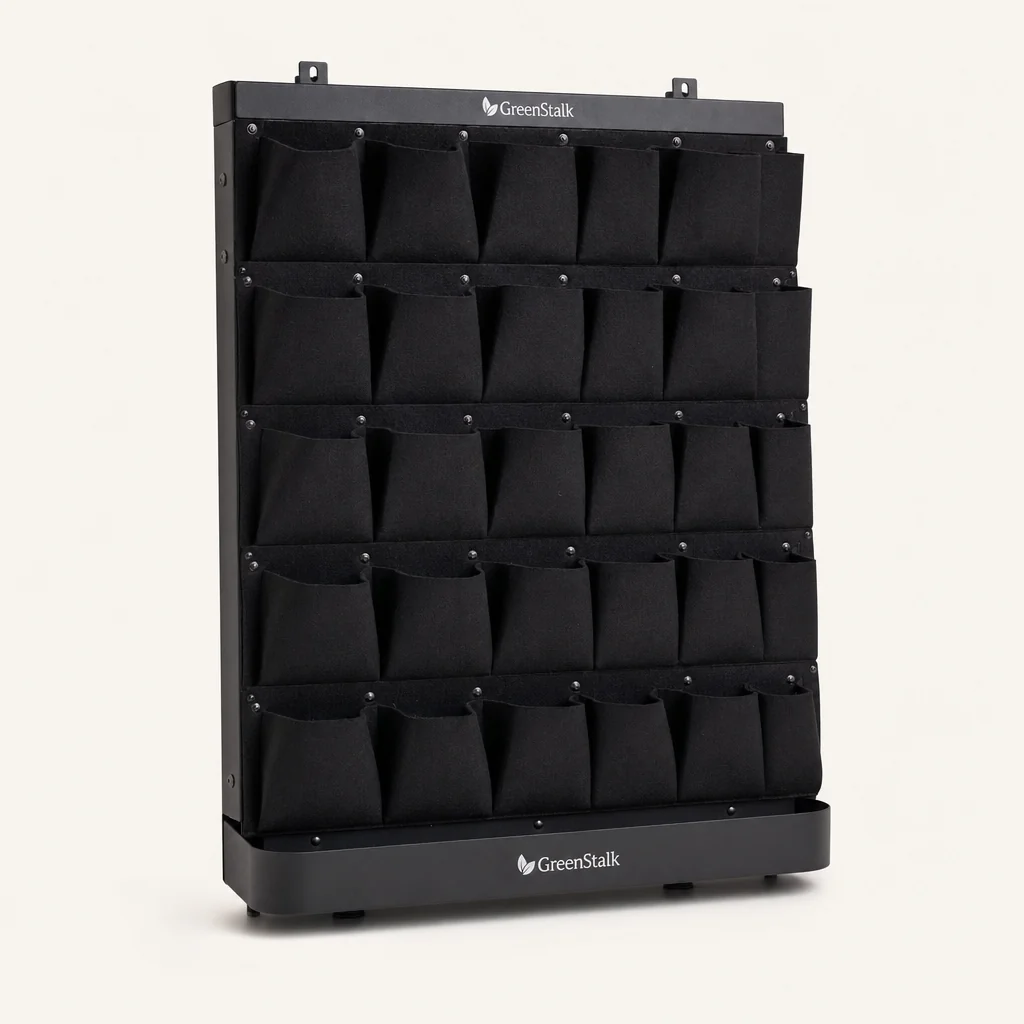
Vertical growing is the most obvious answer to a small garden, but it is often done in the least helpful way. People hang a few tiny pots too high to water, fill them with plants that need deep roots, then wonder why the whole thing resembles a botanical witness-protection scheme by August.
A good vertical garden starts with what you want it to do. If the aim is a lush green backdrop, use shallow-rooted foliage, trailing plants and compact flowers. If you want food, choose crops that are happy in containers and easy to reach: herbs, salad leaves, strawberries and smaller edible plants. Anything that needs a generous root run or becomes heavy with fruit is usually happier lower down in a large container or raised bed.
Match the wall to the plant
The warmest, brightest wall is usually best reserved for sun-loving crops and fragrant herbs. Shadier walls can still be valuable, particularly for leafy planting and foliage-led displays. Do not fight the aspect. Use it.
Design for watering before planting
Vertical containers dry from the top down and catch less rain than you might expect. Keep the highest pockets reachable, group plants with similar thirst, and make sure water can drain rather than dribble down a wall indefinitely.
Keep the harvest zone within reach
Herbs are most useful at shoulder height or lower, close to the kitchen door. The point is to use them on a Tuesday, not admire them from three metres away.
Freestanding ladder-style planters and stacked systems are the kinder choice for renters and anyone wary of drilling into masonry. They also make maintenance easier because you can turn, move or shelter the entire arrangement when necessary. Wall-mounted pockets make a stronger visual statement, but only if the wall, fixings and drainage have been considered properly. Wet compost weighs more than people expect. Gravity remains unfashionably consistent.
For winter, reduce the burden on a vertical display. Remove exhausted annuals, clear dead material, and protect more tender plants during a cold snap. Evergreen herbs, resilient foliage and a few hardy seasonal plants will generally look better than trying to keep a full summer arrangement alive through dark, wet weeks.
2. Use container layering like a garden designer, not a plant hoarder
Container layering is one of the quickest ways to make a tiny garden look generous. It works because it creates height, fullness and movement in one footprint. The familiar design idea is simple: a taller focal plant, fuller plants around it, and something that tumbles over the edge. It has survived because it is useful, not because gardeners enjoy giving plants theatrical job titles.
Choose the container first. It needs to be big enough to hold moisture and roots, heavy enough not to blow over, and fitted with drainage. In a compact garden, fewer substantial containers nearly always look better than a scatter of tiny ones. They are easier to water, easier to group and less likely to turn into an obstacle course.
For the tall element, think about shape rather than chasing whatever is flowering most loudly at the garden centre. Upright grasses, compact shrubs, architectural foliage and flowering perennials can all create the "thriller" role. The middle layer is where you establish bulk and colour. The edge is where trailing plants soften hard container lines and pull the composition into the space around it.
Layering does not have to mean flowers. A restrained planting of herbs, foliage and edible leaves can be every bit as attractive, and much more useful. Silver-grey leaves beside deep green herbs can look elegant all year. A pot containing fragrant leaves, a few edible flowers and a trailing plant creates interest right at chair height, where it will actually be noticed.
Use the same pot more than once
Plan containers as seasonal stages. Spring bulbs can be followed by summer colour, then autumn foliage and winter structure. This is not about constantly buying plants. It is about avoiding the familiar August moment when the display has finished and the pot looks as though it has received bad news.
The important maintenance point is watering. Dense pots are productive, but they are thirsty. Check them with a finger rather than a timetable. The surface can look dry whilst the root zone remains damp, or look fine whilst everything below has gone bone dry. Water thoroughly, preferably in the morning, and let excess drain away. A saucer beneath a pot may protect paving, but leaving roots standing in water is not a kindness.
3. Build a sensory and herb garden you will use every day
A sensory garden sounds grand, but in a tiny space it is simply sensible. When you are close to every plant, choose ones that offer something back. Scent, texture, movement, flavour and colour matter more when the garden is viewed at arm's length.
Start with scent because it gives the quickest return. Put aromatic herbs by a path, chair or door so brushing past releases fragrance. Position roses and other scented flowering plants where you can sit near them, rather than marooning them at the furthest point of the garden like a beautiful but distant relative. Soft-leaved plants invite touch. Grasses add sound in a breeze. Edibles turn a few minutes outside into an ingredient.
Mint deserves its own paragraph because it is both wonderful and extremely keen. Keep it in a pot unless you are genuinely hoping for mint to become the dominant local authority. Chives, thyme, sage, parsley and rosemary are all useful candidates for a compact herb zone, provided their light and watering needs are respected. Put the plants you cook with most closest to the kitchen. Aspirational coriander at the back is not a strategy.
Companion planting can be useful in small spaces when treated as a nudge rather than magic. Aromatic plants may add diversity and make a growing area more attractive to beneficial insects. Flowers among edible plants can make the whole arrangement feel less like a miniature vegetable factory. But no combination removes the need to inspect plants, water them properly or deal with a problem early. There is no herb that can negotiate with a hungry slug on your behalf.
Ideas 4–6: Water, Wildlife, and Al-Fresco Dining in Miniature
4. Add water without accidentally creating a maintenance project
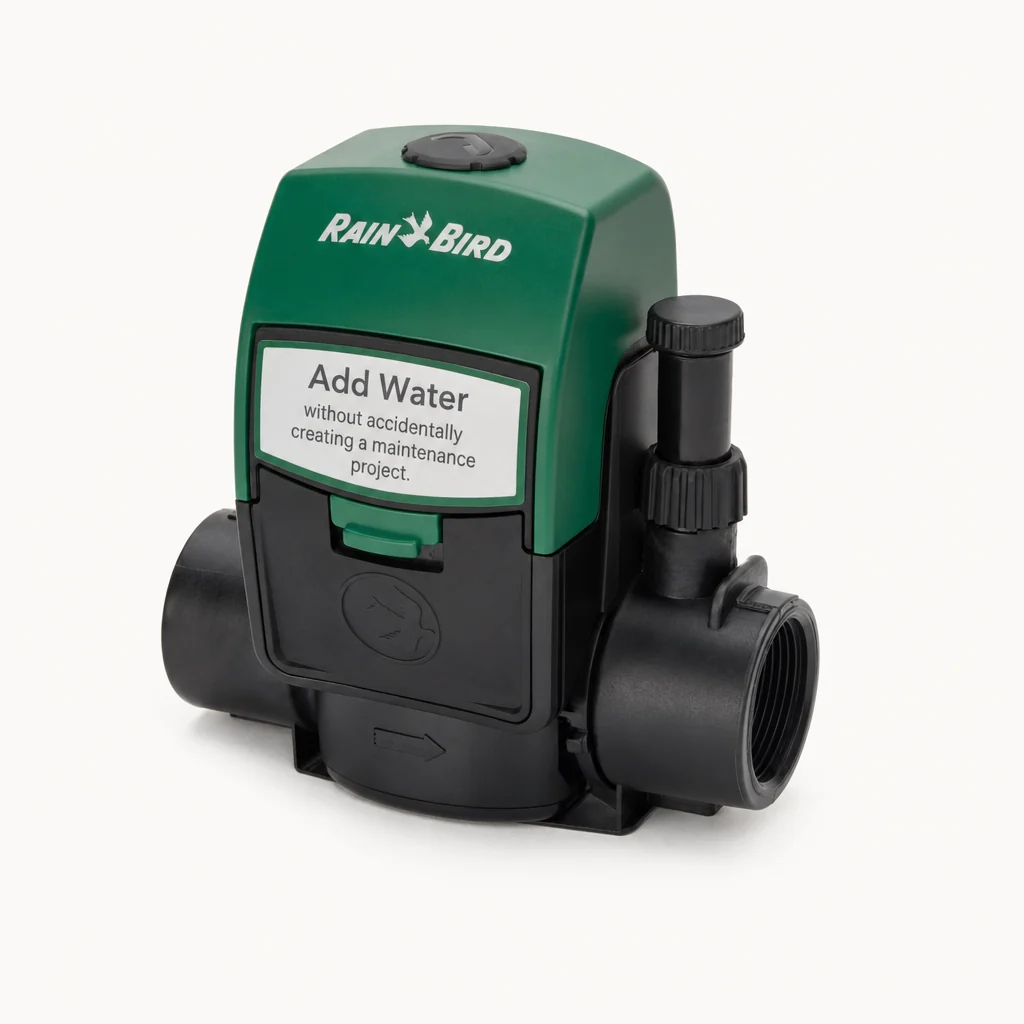
A compact water feature can change the character of a small garden more dramatically than its footprint suggests. Reflection adds depth. Moving water softens hard surfaces. A still bowl creates a pause in a space full of pots and paving. And wildlife often finds water faster than you would think.
The easiest route is a self-contained vessel: a glazed bowl, watertight trough, barrel or purpose-made container. The key word is contained. In a tiny garden, you want calm water, not an engineering exercise involving pipes, pumps and a mysterious leak under the patio.
If wildlife is the aim, provide a way in and out. A shallow edge, stones rising from the water or a textured ramp can make a real difference to small creatures that cannot simply leap from a deep-sided container. Avoid making the water feature too pristine. A little planting and structure around the edges makes it more welcoming and more natural-looking than a shiny bowl placed alone on paving.
Keep the scale believable. A large, elaborate fountain can overwhelm a compact courtyard, both visually and acoustically. A modest bubbler, small fountain or still reflective container is usually enough. The best sound is a quiet background murmur, not the sensation that a garden centre display has moved in next door.
In colder weather, remove vulnerable equipment if needed and protect containers from cracking. Water expands when frozen, which is a rude discovery to make via your favourite ceramic pot. A floating object can help reduce complete surface freezing in some setups, but do not hack at ice. It can harm wildlife and damage the container.
5. Create a wildlife corridor, even if it is only a narrow strip
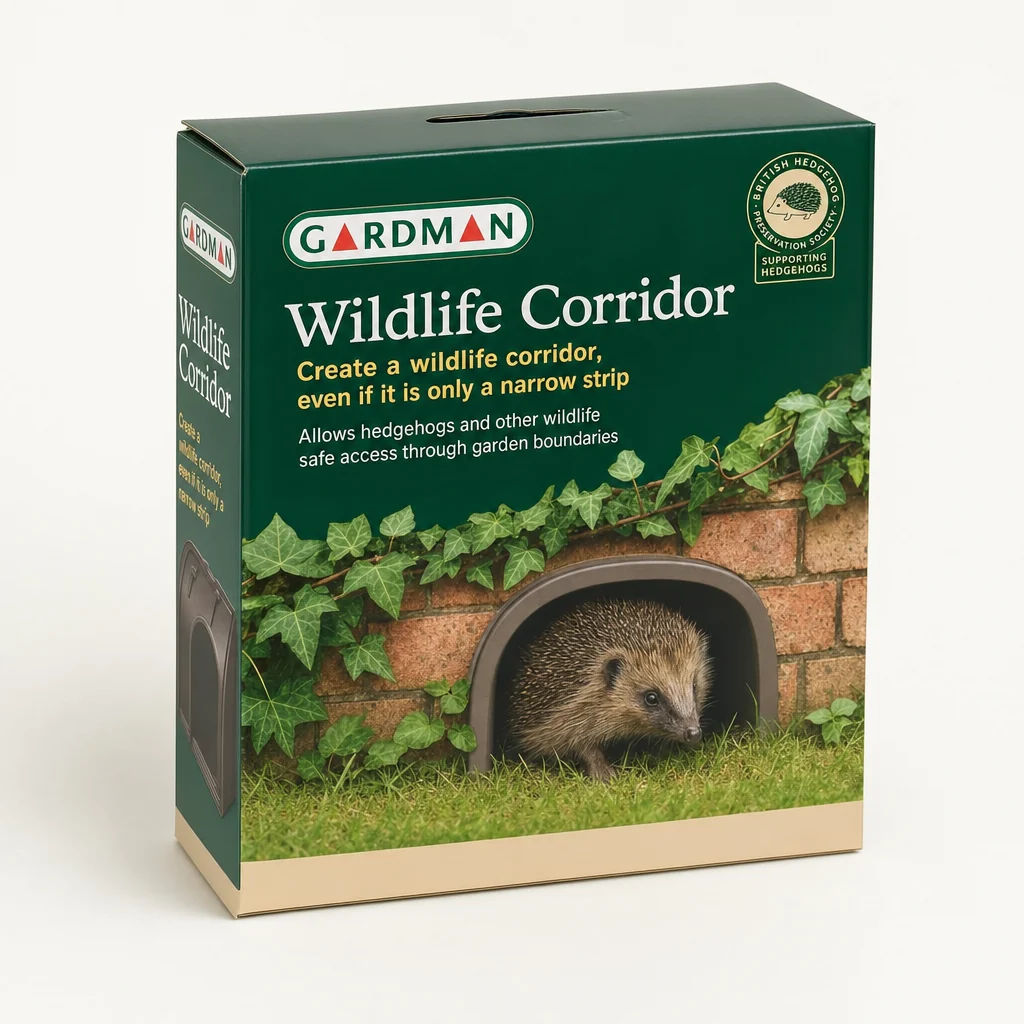
Wildlife gardening in a small space is not about producing a wilderness. It is about offering a chain of useful moments: a flower, a drink, a sheltered corner, somewhere to rest, somewhere to feed. A metre along a fence can become a small but meaningful part of that chain.
Choose plants with overlapping flowering times so there is something happening across the seasons. Early flowers, summer abundance and later seedheads or blooms all contribute. Native and wildlife-friendly planting often looks especially good in a small garden because it introduces softness and movement against rigid boundaries. A fence line with varied leaf shapes, seedheads and flowers feels less like a boundary and more like a living edge.
Leave a little mess in the right place
A tucked-away pile of twigs, hollow stems or leaves can offer shelter. The trick is to make it intentional: locate it behind planting, not in the middle of the dining area where it will look less "micro-habitat" and more "missed recycling day".
Build habitats with clean, natural materials
Bundles of hollow stems, small logs, bark and dry plant material can create varied gaps and hiding places. Keep any structure dry, stable and away from places likely to be soaked constantly by a downpipe.
Offer water safely
A shallow dish with stones for landing points is easier for many insects to use than a deep bowl. Refresh it regularly and keep it clean.
You do not need to surrender all control. A wildlife-friendly border can still be neat at the front, edged clearly and pruned when it begins to invade the path. In fact, that balance often helps household members who are less convinced by the charms of a "naturalistic" corner. Let the planting be abundant; let the outline be deliberate.
Be careful with any mirror, water surface or light source around birds and insects. Reflections can confuse wildlife, and bright overnight lighting can disrupt the quiet parts of a garden. The answer is not to avoid these features altogether. It is to place them thoughtfully and avoid turning a modest garden into a permanently illuminated theme park.
6. Make a dining zone that does not consume the whole garden
There is a particular kind of optimism involved in putting a six-seat dining set into a garden that can barely accommodate a wheelbarrow. The result is usually a table with nowhere to sit and chairs that must be moved every time anyone wants to reach the back door.
For most tiny spaces, design for the number of people who will use it most often. That may be two. There is no shame in a bistro setup. A foldable table and chairs, a narrow bench or a built-in perch along a boundary can make a small garden feel more hospitable than oversized furniture ever will.
Leave a clear route. It sounds obvious, but a usable walkway is what separates a dining zone from outdoor furniture storage. Measure with chairs pulled out, not tucked politely under the table. If that leaves too little space, consider seating that folds, stacks, slides under a table or doubles as storage.
Ground treatment matters, but it need not be grand. A stable, level surface is more important than a fashionable one. Gravel can be pleasant but is not ideal beneath wobbly chair legs. Smooth paving is easy to sweep but can feel harsh unless softened with planting. Decking can be warm underfoot, but it needs careful detailing, drainage and maintenance. In a very small garden, one well-defined surface plus planted edges is often enough.
Make the zone inviting in the evening with subtle light, but keep the fixtures warm and restrained. A small garden does not need to be floodlit to be useful after dark. It needs enough light to find the chair, see the glass and avoid introducing your shin to a planter.
Ideas 7–10: Light, Illusion, Structure, and Smart Seating
7. Use fairy and LED lighting as a layer, not the whole show
Garden lighting is wonderfully effective in a small space because it changes the view from indoors as much as the experience outdoors. A softly lit tree, trellis or planted pot gives the garden a sense of depth after dusk. The mistake is assuming more lights equals more atmosphere. It usually equals more glare, more cables and a faint feeling that the garden is preparing for a low-budget awards ceremony.
Start by deciding what needs light. Paths and steps need functional illumination. A dining spot benefits from warm, gentle light. A feature plant or textured wall can take a narrow beam or small accent. These are separate jobs. Treating them separately makes the result look calmer.
For a relaxed eating area, warm white lighting is generally the friendlier choice. Cooler task lighting can be useful near a potting spot or barbecue area, but it has a more functional feel. Place sources out of direct eyeline where possible. Light the object, the wall or the floor nearby rather than aiming brightness directly at the people trying to enjoy themselves.
Solar and battery lights are convenient because they do not need cable runs, but they are tied to available daylight. In the darker months, performance may be limited. That does not make them useless; it simply means they should be treated as seasonal atmosphere rather than the sole lighting plan for a path or entrance. Check outdoor suitability, protect connections from water, and avoid trailing leads where feet, doors or lawnmowers may meet them.
8. Use mirrors and trellis to create depth without pretending the garden is larger than it is
A garden mirror can be extremely convincing. It catches foliage, sky and light, and it can make a tight corner feel as though it continues beyond the fence. It can also look dreadful if it reflects a wheelie bin, a brick wall or your neighbour's washing line at a jaunty angle. Placement is everything.
Position a mirror to reflect planting or a deliberately attractive scene. Angle it slightly or partly veil it with climbers and foliage so it reads as a glimpse through rather than a giant bathroom accessory outdoors. Choose material designed for exterior use and fix it securely. Standard indoor glass is not a sensible gamble in a garden where weather, children, footballs and wildlife all have voting rights.
Do not site mirrors where direct sun creates a concentrated reflection, and be mindful of bird safety. A mirror that appears to show a route through can confuse birds, especially if it is mounted at flight height. Break up the reflection with planting, a frame or visible detail so it does not read as open sky.
Trellis can achieve a similar visual trick without reflection. A panel adds rhythm to a plain fence, gives climbers somewhere to go and creates a second layer of shadow. Paint it a muted, receding tone if you want plants to take centre stage. Pale boundaries can bounce light around, but they also leap forward visually. A calmer darker backdrop often makes leaves and flowers look richer.
Build a destination at the far end
A small garden feels longer when the eye has somewhere to travel. This can be a mirror, a bench, a pot, a small tree, a water bowl or a framed climbing plant. The important thing is a clear focal point, not an elaborate feature for its own sake.
9. Use raised beds to make growing easier and the garden clearer
Raised beds are useful in tiny gardens for two reasons. First, they give you controlled soil in a defined area. Second, they make the garden read as a series of intentional zones rather than a loose collection of pots. Even one bed can anchor a space.
Keep the width sensible. You should be able to reach the middle without standing in the soil or performing a long, unstable stretch over your prized lettuce. A narrow bed along a fence is often more practical than a big central rectangle. It leaves circulation space and turns an otherwise dead boundary into productive ground.
Depth depends on what you are growing, but do not assume deeper is always better. More depth means more material, more weight and more moisture to manage. For flowers, herbs and many shallow-rooted crops, a modest bed can be enough. For crops that need room below ground, plan accordingly and do not expect a thin strip of compost to produce miracles.
Choose material based on longevity, appearance and maintenance you are actually willing to do. Timber has warmth and suits traditional gardens, but it will weather. Metal creates a crisp contemporary edge, but can look out of place if the rest of the garden is informal. Recycled composite materials can be practical where low maintenance matters. Whatever you choose, line or protect surfaces thoughtfully where needed, ensure drainage is not blocked, and use a growing medium suited to the plants rather than whatever bags happen to be nearest the trolley.
Design for reach and routes
Place beds where they can be accessed from at least one side without blocking the main path. A productive bed is not much use if tending it requires climbing through the dining area.
Grow what earns its place
Prioritise herbs, salad leaves, compact beans, cut-and-come-again crops and plants you genuinely enjoy. Tiny gardens have no room for guilt-growing.
Keep soil active between crops
Once one crop finishes, refresh, replant or cover the soil. Empty beds are an invitation for weeds, cats and the general feeling that the project has stalled.
10. Choose multi-use furniture that earns every centimetre
Furniture is often where tiny gardens go wrong. We buy for imagined gatherings, not ordinary use, and suddenly the space is occupied by a large table no one has sat at since the Jubilee. Multi-use furniture is the antidote.
A bench with storage can hold cushions, small tools or a watering can. A narrow console can become a potting shelf, drinks station or plant display. Stools can act as side tables, spare seats and somewhere to place a tray when you are repotting. Folding furniture can disappear when you want floor space for children, exercise, a washing rack or simply a clearer view.
Look for a few important qualities: materials that tolerate being outdoors, surfaces that are easy to clean, feet that sit stably on your chosen ground, and proportions that fit the garden with chairs in use. Storage furniture needs ventilation so it does not become a damp cupboard for mouldy cushions. A cover can help, but a cover cannot solve trapped moisture indefinitely.
One good bench, one movable table and one or two additional lightweight seats will often serve a tiny garden better than a full matching suite. Mix in planting to soften the edges, and leave one clear open patch. Empty space is not wasted space. It is breathing room, and it is what allows a small garden to feel calm.
How to Combine the Ideas Without Making the Garden Feel Busy
The strongest small gardens rarely use all ten ideas at full volume. They choose a handful that support one another. A vertical planter, a mini pond, festoon lights, a dining set, two raised beds, a mirror, three trellises and a storage bench may all be useful individually. Together, in a very small garden, they may produce the unsettling feeling of being trapped inside a particularly enthusiastic catalogue.
Try building your scheme in layers. Start with one structural layer: raised bed, trellis, seating position or a clear path. This creates order. Next, add the growing layer: vertical herbs, containers or a wildlife strip. Finally, add the atmosphere layer: lighting, scent, water or a mirror. At each stage, stop and look. If the garden already feels complete, believe it.
| Garden situation | Best first move | Second layer | Finishing touch |
|---|---|---|---|
| Shady enclosed courtyard | Light-coloured containers and foliage | Trellis for texture and climbers | Warm low-level lighting |
| Sunny paved strip | Freestanding vertical herbs | Large layered containers | Foldable dining set |
| Rented garden | Portable pots and movable seating | Freestanding screen or planter | Battery or solar lighting |
| Wildlife-focused corner | Flowering boundary strip | Shallow water bowl and shelter | Seedheads left through winter |
| Food-growing priority | Raised bed or deep containers | Vertical salads and herbs | Small potting shelf |
Aspect should lead the planting plan. A south- or west-facing garden can carry more sun-loving edibles and flowering plants, but it will also dry out faster. East-facing spaces often offer gentle morning light. North-facing spaces can still be handsome, especially with foliage, texture, pale containers and plants selected for lower light, but they need less wishful thinking about sun-hungry crops.
Also consider what you can maintain. A lush living wall can be brilliant if you enjoy watering and trimming. If you travel frequently or are already stretched for time, a smaller number of robust containers may give you much more pleasure. The ideal garden is not the most ambitious one. It is the one that still looks inviting after a busy fortnight.
Renters
Prioritise containers, freestanding vertical units, folding furniture and removable lighting. Build beauty you can take with you.
Everyday cooks
Put herbs and edible leaves close to the door, then add a compact seat so the growing area becomes somewhere to linger.
Busy households
Choose fewer, larger containers, a clear path and simple seating. Make the garden easy to enter, not another job list.
Pros and Cons: The Honest GardenScout Assessment
The great strength of these ideas is their flexibility. None requires a country estate, a perfect lawn or an encyclopaedic knowledge of Latin plant names. They can be scaled up or down, combined gradually and adapted to a rented plot, patio, courtyard or slim suburban garden.
But it would be silly to pretend every small-space intervention is effortless. Compact gardens can be intensive because planting is denser, containers dry quickly and poor choices are difficult to ignore. There is no back field in which to hide a regrettable purchase. That is not a reason to avoid making changes. It is a reason to make deliberate ones.
Pros
- The ten ideas cover growing, wildlife, comfort, storage and visual design rather than treating a tiny garden as just a place for pots.
- Several approaches are portable and need no permanent modifications, making them especially useful for renters.
- Vertical planting and raised growing areas can reclaim space that would otherwise be unused.
- Container schemes can be refreshed seasonally without rebuilding the whole garden.
- Lighting, scent, seating and water can make an outdoor space feel useful beyond the hottest part of summer.
- Wildlife-friendly planting brings movement and interest into spaces that might otherwise feel hard and static.
- The framework encourages you to buy and build in stages, rather than attempting a complete transformation in one exhausting weekend.
Cons
- Containers and vertical planters need regular watering, particularly during warm, dry spells.
- Solar features and lights can be less reliable during the darker part of the year.
- Wall-mounted structures, outdoor electrics and substantial construction need careful installation and may require permission.
- Mirrors need precise, safe placement to avoid wildlife confusion and unhelpful reflections.
- Water features need cleaning, winter care and safe access for wildlife.
- Too many small features can make a tiny garden feel cluttered rather than generous.
- The best result usually comes from combining ideas, which means planning maintenance as carefully as the initial layout.
My honest caveat is this: treat the guide as a framework, not a shopping list. Your garden's direction, shelter, drainage, household routines and budget all matter. Start by noticing what the space already does well. Perhaps it catches evening sun. Perhaps one wall is sheltered enough for scent. Perhaps the far corner feels private. Work with that strength first.
Then choose one improvement that increases function and one that increases delight. A raised bed plus a chair. A vertical herb garden plus a small light. A wildlife strip plus a water bowl. You do not need a dramatic makeover to feel the difference. Often, the most brilliant thing you can do with a tiny garden is make it easier to enjoy tomorrow than it was today.
Tiny Garden Questions, Answered
Clear the route from the door, observe the sun and rain for a few days, then choose one focal point. It might be a planted pot, a bench, a small raised bed or a vertical herb unit. Starting with structure prevents the garden becoming a collection of unrelated objects.
Yes, provided the furniture is modest and the planting uses edges and height. Choose a compact table or foldable seating, then put larger containers around the perimeter and grow upwards on a wall or freestanding frame.
Neither is automatically better. Raised beds create a clear permanent growing zone and can offer generous root space. Containers are more flexible, easier to reposition and ideal for renters or awkward paving. Choose based on access, permanence and what you want to grow.
Limit the number of materials, repeat container colours, keep a visible route, and leave some open ground. Use height instead of spreading everything across the floor. Most importantly, give each zone one clear job.
Container layering is the easiest starting point because it is entirely portable and adaptable. Pair it with movable seating, a freestanding vertical planter or removable lighting for a garden that can change with your tenancy.
The GardenScout Final Verdict
A tiny garden becomes brilliant when it stops trying to imitate a bigger one. Use walls for growing, edges for wildlife, containers for seasonal change and furniture that can do more than one job. Give yourself one good place to sit. Give the eye one attractive place to travel. Give the plants the conditions they need rather than the conditions you wish you had.
Do that, and even the smallest patch can become productive, calming and unexpectedly generous. Not bad for a space that may currently contain one sad chair, three paving slabs and a hose that has developed its own personality.